

Bill To Establish Federal Aviation Technology College In Ihiala,
Anambra State Scales Second Reading
By Saheed Badmus

Nigerian House of Representatives has passed for second reading a bill seeking to establish the Federal College of Aviation Technology in Ihiala, Anambra State, as part of efforts to strengthen aviation education and address the shortage of skilled manpower in Nigeria’s aviation industry.

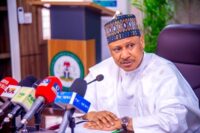
The bill, sponsored by Hon. Pascal Agbodike, member representing Ihiala federal constituency, Anambra State,
seeks to provide a legal framework for the institution’s establishment, administration, functions, funding, academic programmes and award of certificates, diplomas and degrees.
Speaking on the bill, titled A Bill for an Act to Establish the Federal College of Aviation Technology, Ihiala, Anambra State, and for Related Matters (HB. 328), Agbodike said the aviation sector remained critical to national development through its contributions to trade, tourism, employment generation and economic growth.
He stressed that the continued expansion and modernisation of the industry required a steady supply of competent and professionally trained personnel.
Anambra federal lawmaker noted that the proposed institution would help bridge the technical manpower gap by providing specialised education, practical training and research opportunities tailored to the evolving needs of Nigeria’s aviation sector.
Agbodike said “the college would expand access to aviation-related education for young Nigerians while developing the expertise required to support aircraft operations, maintenance, aviation safety and technological advancement”.
“The proposed institution could provide training opportunities in fields such as piloting, aircraft maintenance, avionics, cabin services and air traffic services, subject to the availability of appropriate facilities, programmes and regulatory approvals”.

The lawmaker noted that establishing the college in Ihiala would benefit Anambra State, the South-East and the country at large by expanding access to specialised technical education and creating opportunities for economic development.
He also highlighted the potential for partnerships between the institution and private-sector aviation operators, noting that collaboration could strengthen practical training and align academic programmes with industry requirements.

The sponsor further argued that developing quality aviation training facilities locally could reduce Nigeria’s dependence on foreign institutions for some specialised aviation qualifications, provided the college meets the required accreditation and professional standards.
“The passage of the bill would demonstrate the National Assembly’s commitment to technical education, local capacity development and preparing Nigerian youths for emerging opportunities in the aviation industry,” Agbodike said
He consequently urged his colleagues to support the proposed legislation and allow it to proceed to the next stage of legislative consideration.