

Businesses require integrity, faith to survive economic challenges — Seun Oni
By Sanni Musa
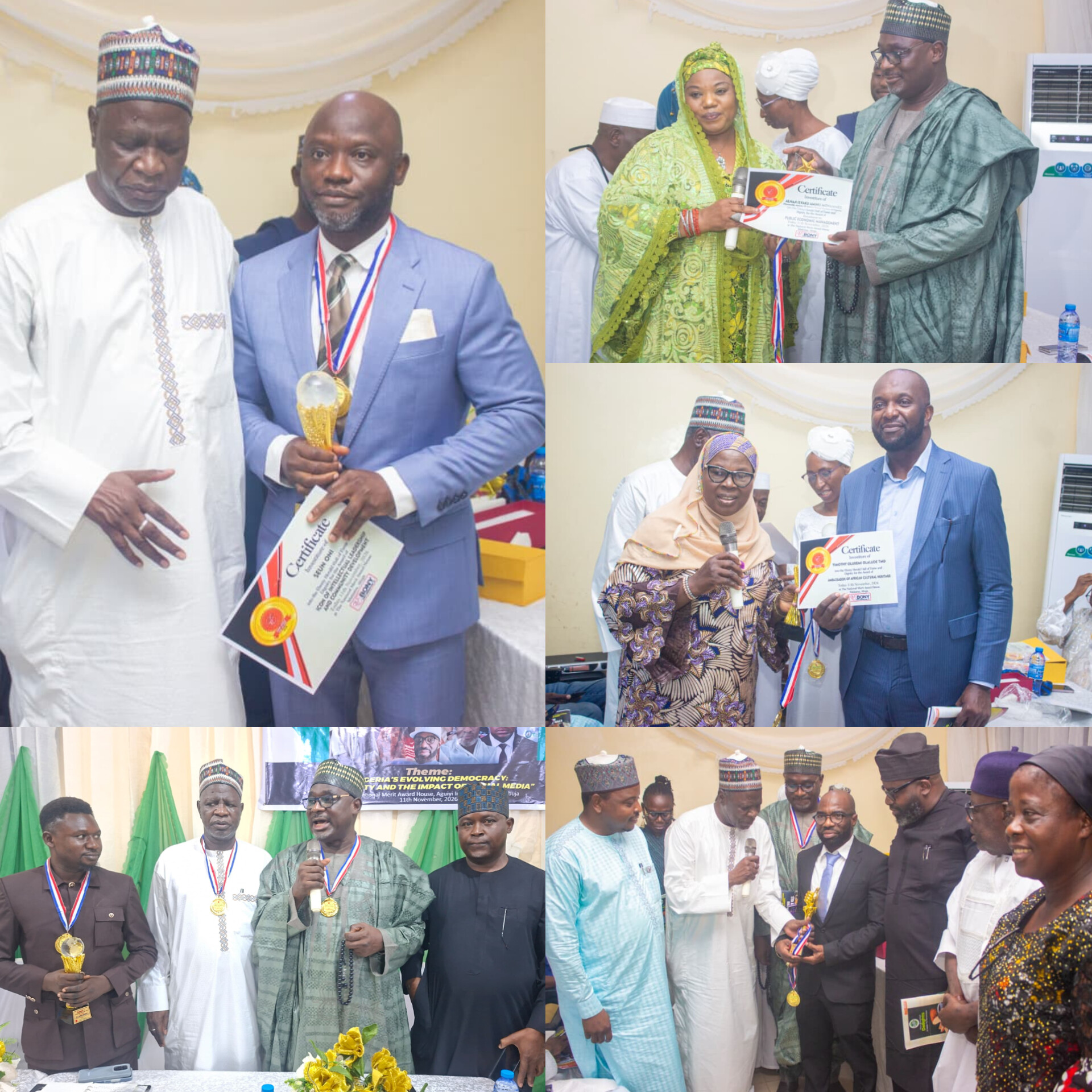
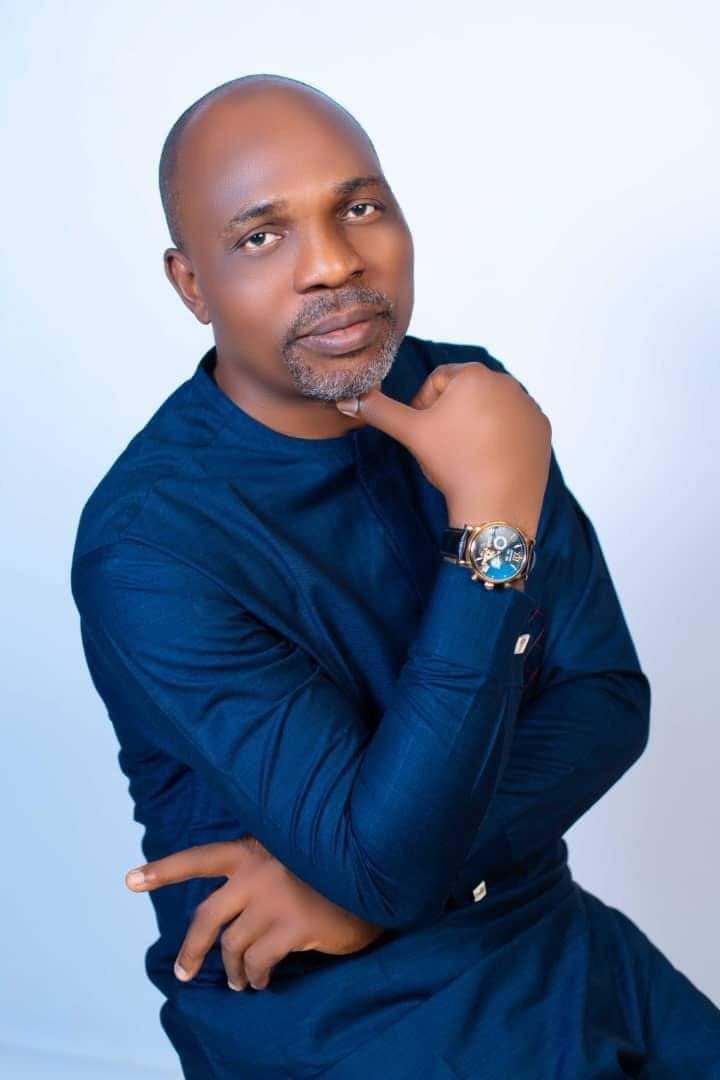
Nigerian businesses may be battling inflation, unstable exchange rates and harsh operating conditions, but Seun Oni says the deeper challenge lies in the erosion of values, weak corporate governance and the failure to recognise the role of faith in achieving lasting success.

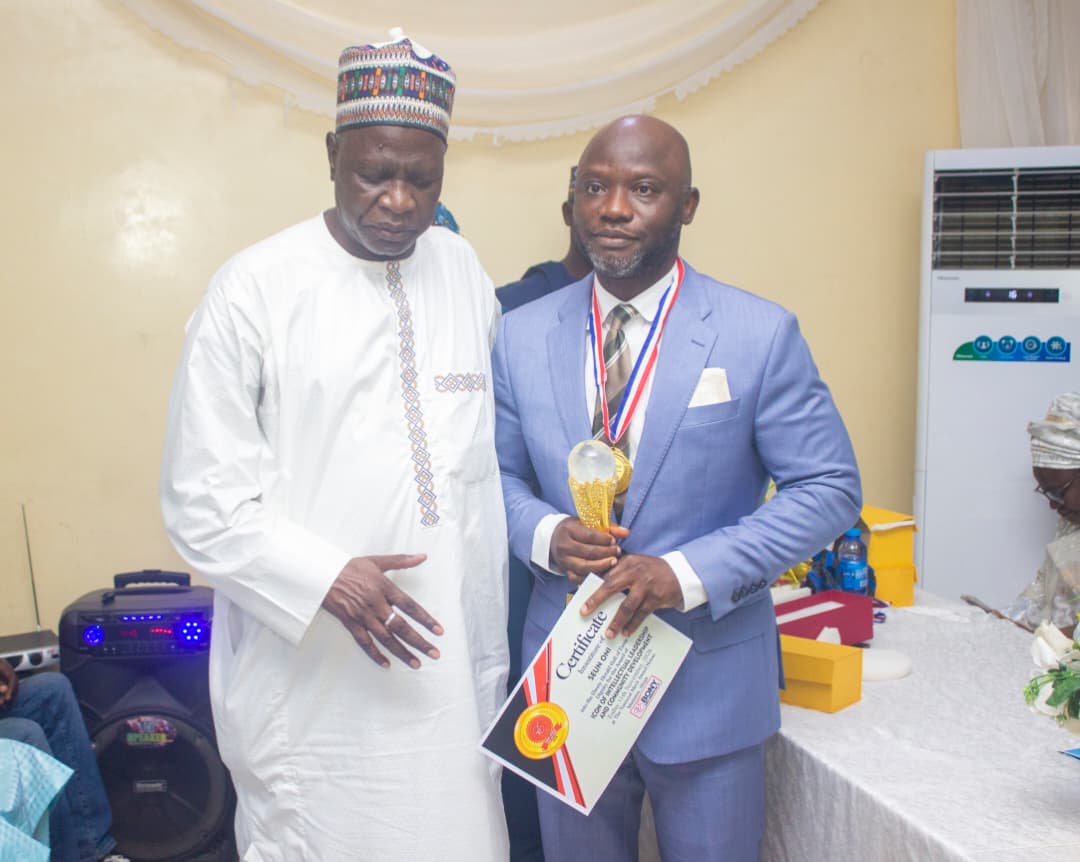
Oni stated this while reflecting on his recent recognition as Icon of Intellectual Leadership and Community Development at the 2026 Ebony Herald Lecture and Hall of Fame Awards in Abuja.
He described the award not as a celebration of personal accomplishment or an arrival at the pinnacle of success, but as a renewed call to greater service, knowledge sharing, ethical leadership and grassroots development.
The corporate restructuring expert, who has more than two decades of professional experience across the aviation, banking, oil and gas, and power sectors, said Nigerian entrepreneurs had demonstrated remarkable resilience despite prevailing economic challenges.
However, he stressed that sustaining businesses and preserving enterprise value required a combination of external and internal stability.
According to him, while favourable exchange rates, manageable interest rates and predictable government regulations are essential to business growth, internal stability anchored on integrity, competent management, sound corporate governance and operational discipline is equally indispensable.
He added that lasting success also demanded humility, faith and an appreciation of factors beyond human calculations.

“Some may call it luck, but one of my professors at Wharton referred to it as the God factor. It encompasses outcomes that cannot be fully explained by strategy, skill, effort or market conditions alone,” he said.
Tracing his professional journey, Oni recalled that his career began with a degree in Computer Science from Obafemi Awolowo University, followed by brief information technology engagements at Nigerian Arab Bank.
He subsequently joined Standard Trust Bank in 1998, where, in a decision that significantly shaped his career, the then Managing Director, Tony Elumelu, assigned him to Commercial Banking despite recommendations from the IT department.
He described the decision as a turning point in his professional development, noting that it reinforced his belief that effective leaders must be able to identify and nurture potential beyond academic qualifications and conventional career paths.
His subsequent exposure to AT&T Wireless in the United States during its merger with Cingular, alongside senior professional engagements at Standard Chartered Bank, United Bank for Africa and First City Monument Bank, further broadened his understanding of corporate leadership and organisational transformation.
He also cited executive education programmes at Wharton and IMD Switzerland as instrumental in shaping his approach to business sustainability and institutional development.
Oni maintained that successful and enduring organisations must be built on integrity, competence, transparency, accountability, effective communication, shared responsibility and sound risk management.
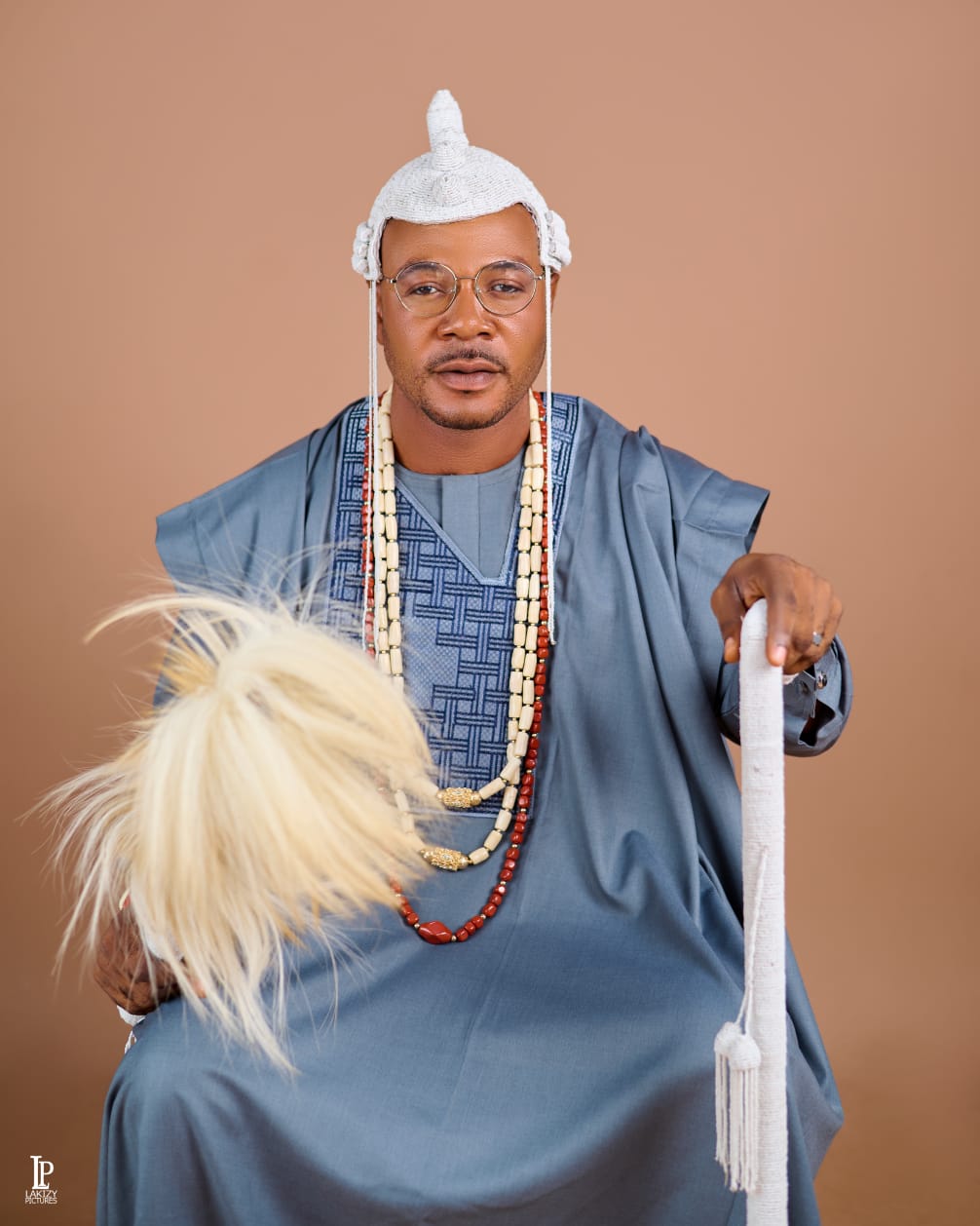
Reflecting on his 2016 conferment as the Oluomo of Erijiyan Ekiti, he described the traditional title as both humbling and deeply personal, given his maternal connection to the Odigbo kingmaker family of Erijiyan Ekiti.
Although he acknowledged the ceremonial significance of the title, he said traditional and corporate leadership shared a fundamental responsibility: service to the people and the creation of lasting value.
He explained that his involvement in community development initiatives, particularly the multi-billion-naira Ijesaland Geriatric Centre, affiliated with the Obafemi Awolowo University Teaching Hospitals Complex (OAUTHC), and the construction of the ultra-modern palace of the Owa Obokun of Ijesaland, was driven by his desire to support projects with enduring social and cultural impact.
According to him, while the palace represents an important symbol of cultural identity, heritage and traditional authority, the geriatric centre addresses a critical healthcare need that is particularly close to his heart.
He recalled the painful personal experience of having to take his parents to Lagos for medical attention, a situation that became even more difficult following the death of his mother there.
That experience, he explained, strengthened his determination to support the establishment of quality healthcare facilities closer to the people, particularly for elderly citizens who often face difficulties accessing specialised medical services.
Oni also spoke about his commitment to humanitarian activities, including more than 15 years of annual outreach programmes for elderly women and Christmas celebrations for schoolchildren in Ilesa.
He attributed his passion for giving back to the values instilled in him during childhood, recalling his modest upbringing as the son of a cocoa trader.
Sharing a memorable childhood experience, he recounted a Christmas when his family had no rice to prepare for the celebration but providentially received a supply of Uncle Ben’s rice, which they ate with okra soup.
He also remembered his mother’s tradition of sharing food and Christmas celebrations with neighbours, describing her generosity as one of the enduring lessons that shaped his understanding of community, compassion and responsibility.
For young graduates seeking to establish themselves in an increasingly competitive environment, Oni advised them to prioritise academic excellence, acquire practical skills and cultivate meaningful professional networks.
He emphasised that while competence could open doors, character, integrity and a good reputation ultimately determined how far an individual could rise.
“Your reputation becomes one of your most valuable assets. Guard it carefully,” he advised.
Speaking on his vision for Nigeria, Oni expressed the desire to see a country where opportunities are not determined by an individual’s birthplace, social background or personal connections.

He envisaged a nation where every child, whether in Ilesa, Lagos, Maiduguri, Port Harcourt or Kano, has equitable access to quality education, affordable healthcare, security and opportunities to realise their potential.
He further challenged political and institutional leaders to look beyond the construction of roads, bridges and physical infrastructure, stressing that the most enduring legacy of leadership lies in building strong institutions, nurturing responsible citizens and creating opportunities for future generations.
“A great nation is built one family at a time,” he declared, underscoring the importance of restoring family values, strengthening community structures and promoting responsible leadership as the foundation for national development.