

17 YEARS OF CELEBRATING EXCELLENCE: Ebony Herald honours 13 outstanding Nigerians
… as Akinkuolie, Momoh call for democratic reforms, dialogue-driven solutions to insecurity
By Shalom Oludele, Abuja

Abuja played host to an array of prominent Nigerians on Wednesday as thought leaders, diplomats, security experts, academics and captains of industry converged on the National Merit Award House, Maitama, for the 17th Annual Ebony Herald Lecture and Hall of Fame Awards.
The event, organised by Ebony Herald International Magazine and Abuja Herald Newspaper, has evolved into a significant platform for critical discourse on democracy, leadership, governance and national development.
This year’s theme, “Nigeria’s Evolving Democracy: Insecurity and the Impact of Social Media,” provided the framework for robust intellectual engagement on the challenges confronting Nigeria’s democratic journey and the prospects for a more secure and prosperous nation.
Chairman of the occasion, Prof. M.K. Othman, Vice-Chancellor of the Federal University Dutsin-Ma, Katsina State, called for stronger democratic institutions, stressing the need to strengthen the foundations of governance to ensure the sustainability of democracy.
The anniversary lecture was delivered by Dr. Zekeri Momoh, Senior Lecturer in the Department of International Relations and Diplomacy, Iconic Open University, Abuja.
In his presentation, Dr. Momoh examined Nigeria’s Fourth Republic, which commenced on May 29, 1999, describing it as the country’s longest uninterrupted democratic experience since independence in 1960, although still characterised by hybrid and defective democratic practices.

He identified two major forces shaping the country’s democratic trajectory: multidimensional insecurity and the growing influence of social media as a powerful political instrument.
According to him, insecurity remains one of the most formidable obstacles to democratic consolidation, with the Boko Haram insurgency, which began in 2009, resulting in tens of thousands of deaths and the displacement of more than two million Nigerians.
He explained that the insurgency significantly disrupted the conduct of the 2015 and 2019 general elections, particularly in parts of Borno State, where voting was suspended in several local government areas.
Dr. Momoh further observed that the spread of banditry across the North-West and persistent farmer-herder conflicts in the Middle Belt had created a climate of prolonged insecurity, with far-reaching consequences for governance and national stability.
He warned that insecurity had continued to undermine foreign investment, agricultural productivity and economic growth while eroding public confidence in elected authorities.
The university don also expressed concern over the frequent deployment of the military in internal security operations, including Operations Lafiya Dole and Safe Haven, arguing that such interventions risk blurring the constitutional boundaries between civil and military responsibilities.
Delivering the keynote address, Ambassador Rasheed Akinkuolie, a retired Director of the Nigerian Foreign Service, lamented what he described as the bastardisation of democracy in Nigeria, accusing politicians of exploiting electoral processes as a pathway to acquiring political power and personal wealth.
He, however, maintained that military intervention was not an acceptable alternative, urging Nigerians to embrace the existing democratic system, refine its practices and strengthen its institutions until it delivers the desired results.
Reflecting on Nigeria’s political history, Ambassador Akinkuolie recalled the annulment of the June 12, 1993 presidential election, widely believed to have been won by Chief M.K.O. Abiola, describing the development as a major setback in the country’s democratic evolution.
He also examined the political circumstances surrounding the 1999 transition to civilian rule, arguing that the emergence of two prominent South-West candidates, Gen. Olusegun Obasanjo and Chief Olu Falae, was part of efforts to address the political grievances generated by the annulment of the June 12 election.
The former diplomat reviewed successive administrations and their approaches to governance and national security, citing the use of military force under the Obasanjo administration in Udi and Zaki Biam as well as what he considered missed opportunities for dialogue during the emergence of the Boko Haram insurgency under the Yar’Adua administration.
He specifically recalled the mediation efforts involving Hajia Hamsatu Allamin and Hajia Aisha Alkali, arguing that greater attention to dialogue at the early stages of the crisis might have helped address some of the security challenges.
He also commended former President Goodluck Jonathan for demonstrating statesmanship by conceding defeat in the 2015 presidential election, describing the decision as an important contribution to democratic stability and peaceful political transition.
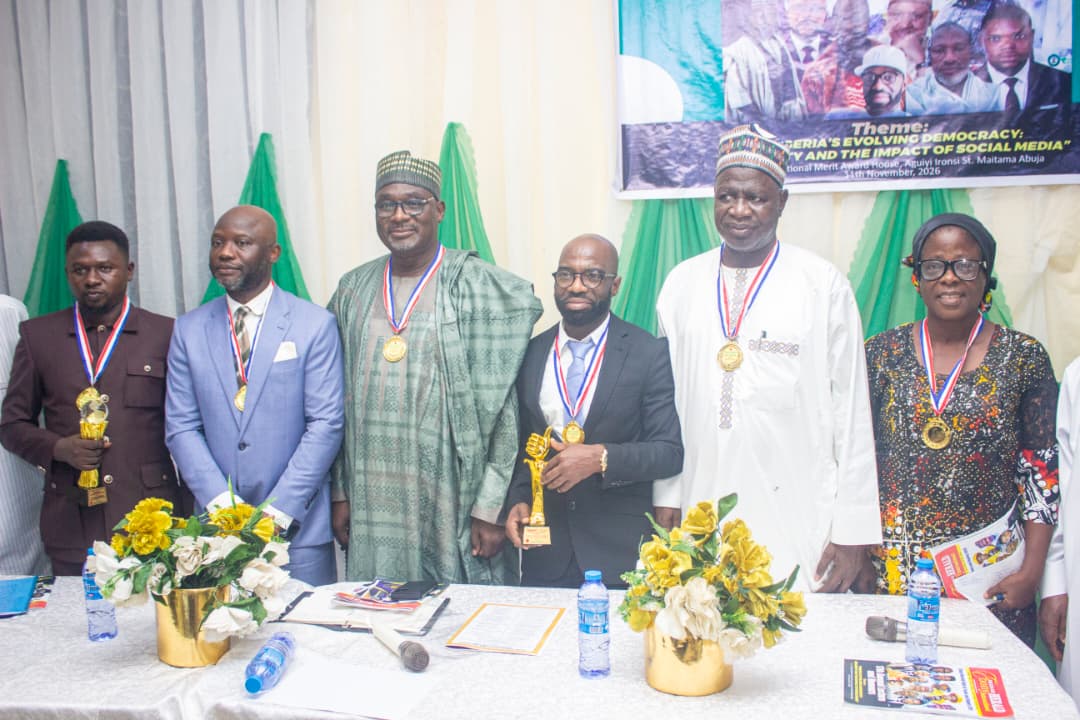
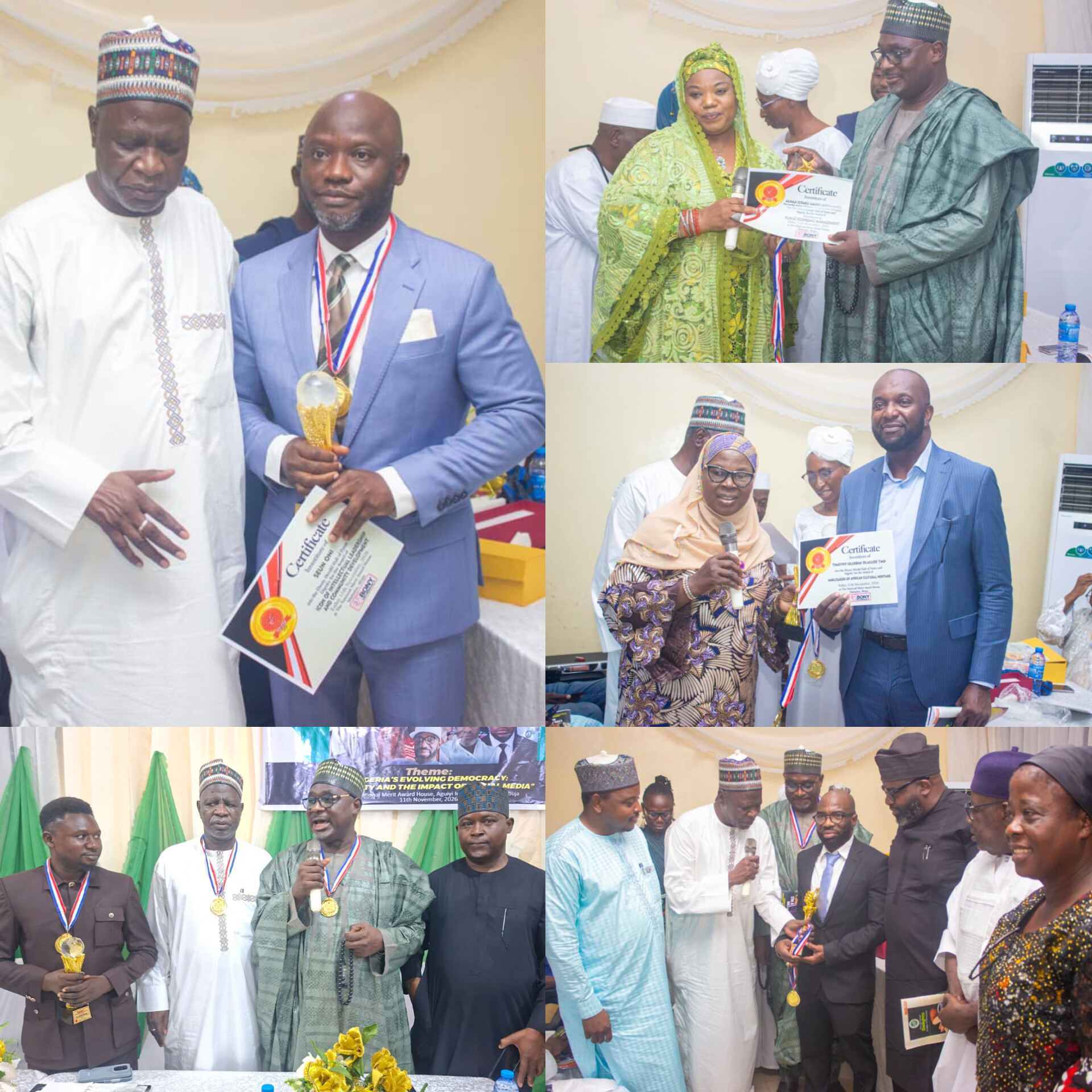
A major highlight of the occasion was the investiture of 13 distinguished Nigerians into the Ebony Herald Hall of Fame and Dignity in recognition of their contributions to national development, public service, education, culture, sports and community advancement.
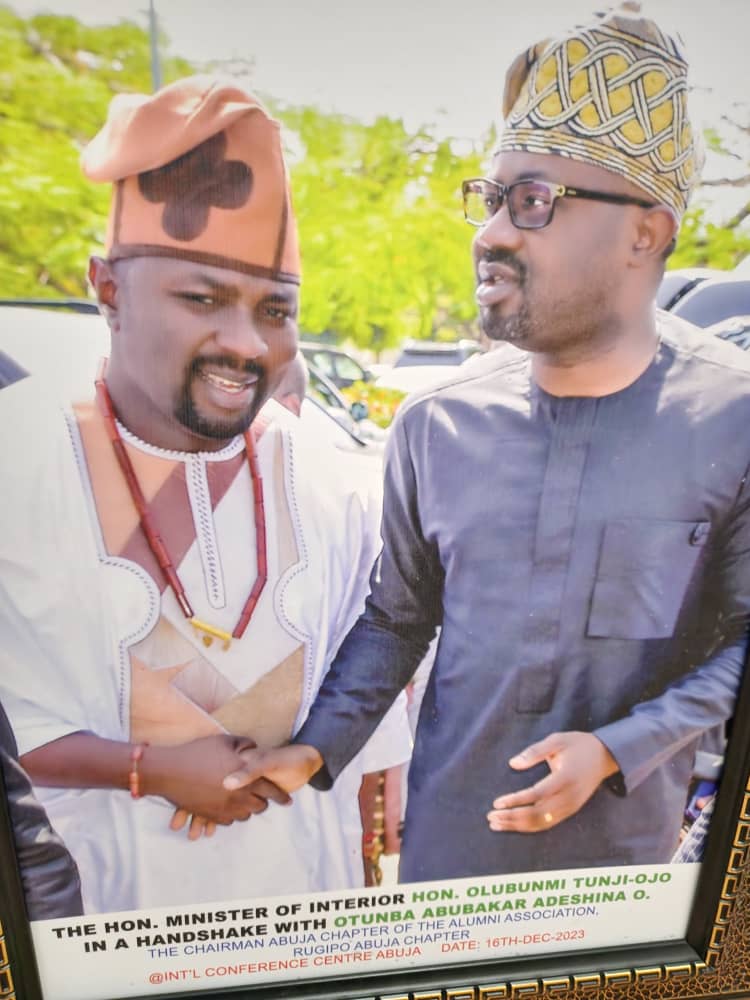
Among the award recipients was the Minister of Interior, Hon. Dr. Olubunmi Tunji-Ojo, who was honoured as Ambassador of National Development.
Alhaji Isyaku Aminu Mohammed received the award for Excellence in Public Economic Management, while Timothy Oluremi Olalude TMD was recognised as Ambassador of African Cultural Heritage.
Sunday Isuwa, PhD, was honoured as Distinguished Media Icon of the Year 2026, while Hon. Adamu Yusuf received the Ambassador of the Masses award.
Also honoured were Alhaji Adam Zikrulahi Shandy as Ambassador of Muslim Ummah; Seun Oni as Icon of Intellectual Leadership and Community Development; and Temitope Ademola Obideyi as Ambassador of Sports Development.
Others included Aboyewa Olaitan, who received the Outstanding Principal of the Year award; Prof. M.K. Othman, honoured for Excellence in Education and Food Production; and Mohammed Miracle Ayomide, recognised for Excellence in Educational Technology and Innovation.
Engr. Ogunleye Olusesan Cheese was also honoured as Friend of the Masses and Lover of Peace.

The ceremony attracted commendations for the organisers’ sustained commitment to promoting excellence, celebrating outstanding Nigerians and providing a platform for national conversations on issues of critical importance.
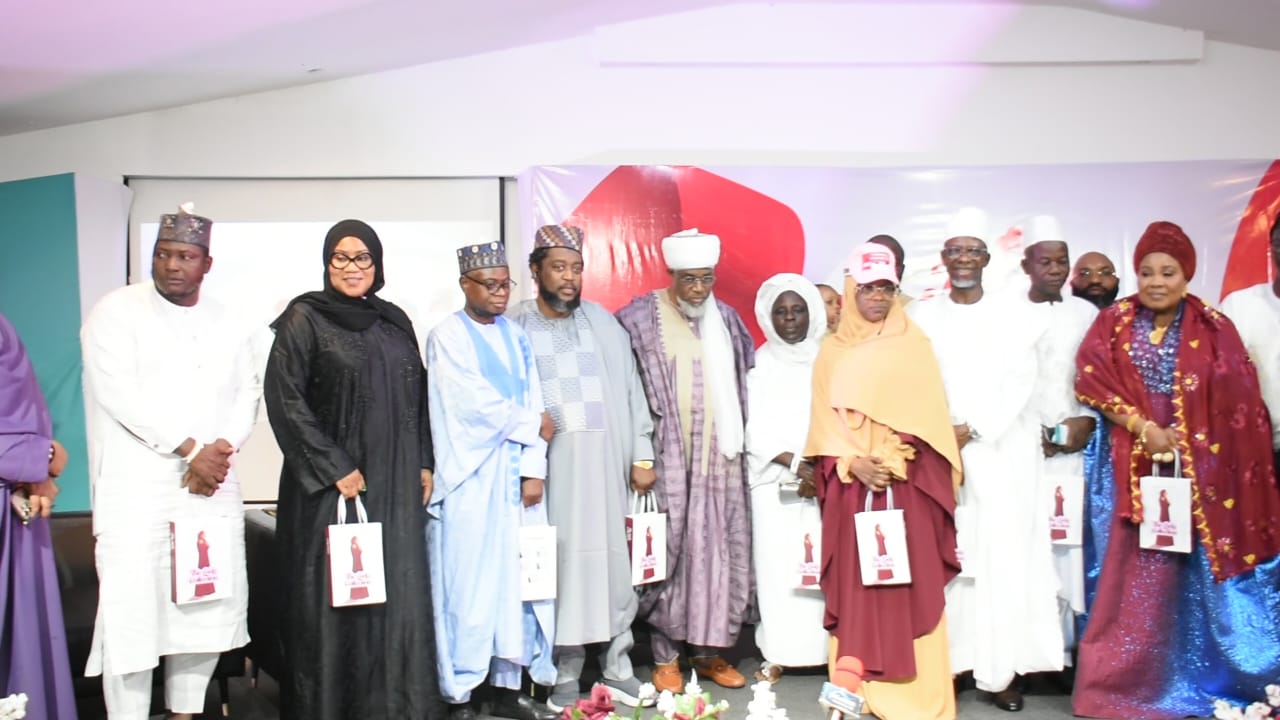
The event ended on a high note, with standing ovations, group photographs and renewed calls for responsible leadership, the responsible use of social media, stronger democratic institutions and dialogue-driven approaches to addressing insecurity.
The 17th edition further underscored Ebony Herald’s commitment to promoting credible public discourse, honouring excellence and contributing to the growth of democracy and national development.